Bathroom waterproofing services for Melbourne homes

The right approach depends on the bathroom's current condition. It may involve a full wet-area rebuild, investigating a leaking shower or re-waterproofing an existing room after earlier work has failed.

For the factors that shape price once the bathroom condition is understood, see the bathroom waterproofing cost guide. To send details straight through, use the contact page.

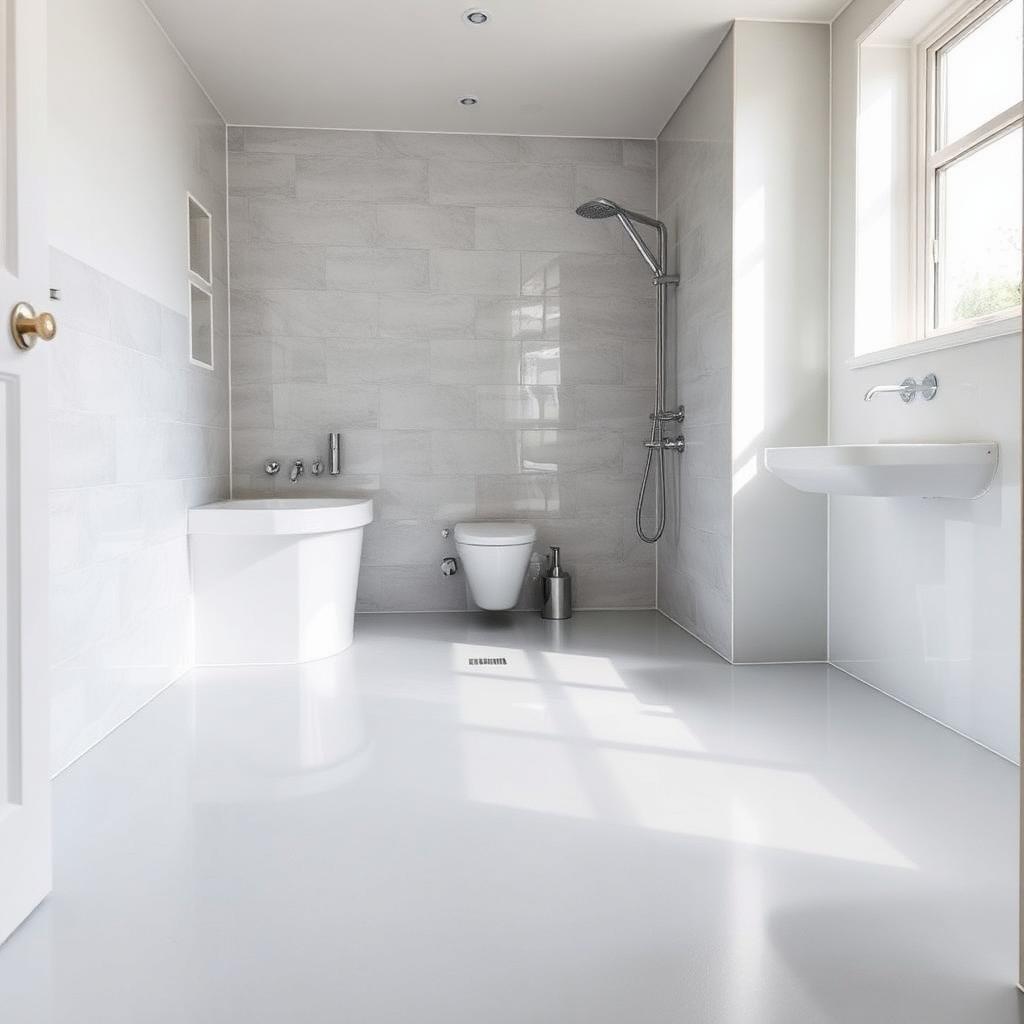
Waterproofing membrane applied across a full bathroom floor and walls

1. Bathroom waterproofing

This applies when a bathroom is being restored and the whole wet area needs a new waterproofing membrane before tiles and finishes go back on. It usually forms part of a broader restoration rather than a repair to a small area.

When this service may fit

  • The bathroom is being stripped as part of a renovation or restoration
  • A new membrane is planned across the shower, floor and other wet-area surfaces
  • Plumbing, tiling or fixture work is being planned at the same time

Information and photos that help

  • Approximate bathroom size and layout (shower, bath, vanity, WC)
  • Photos of the current state, including the floor and any wet-area walls
  • Whether tiles are already off or still in place

What happens next

Send the bathroom size, layout and current stage. If the work appears suitable, we can arrange a site visit before confirming the scope.

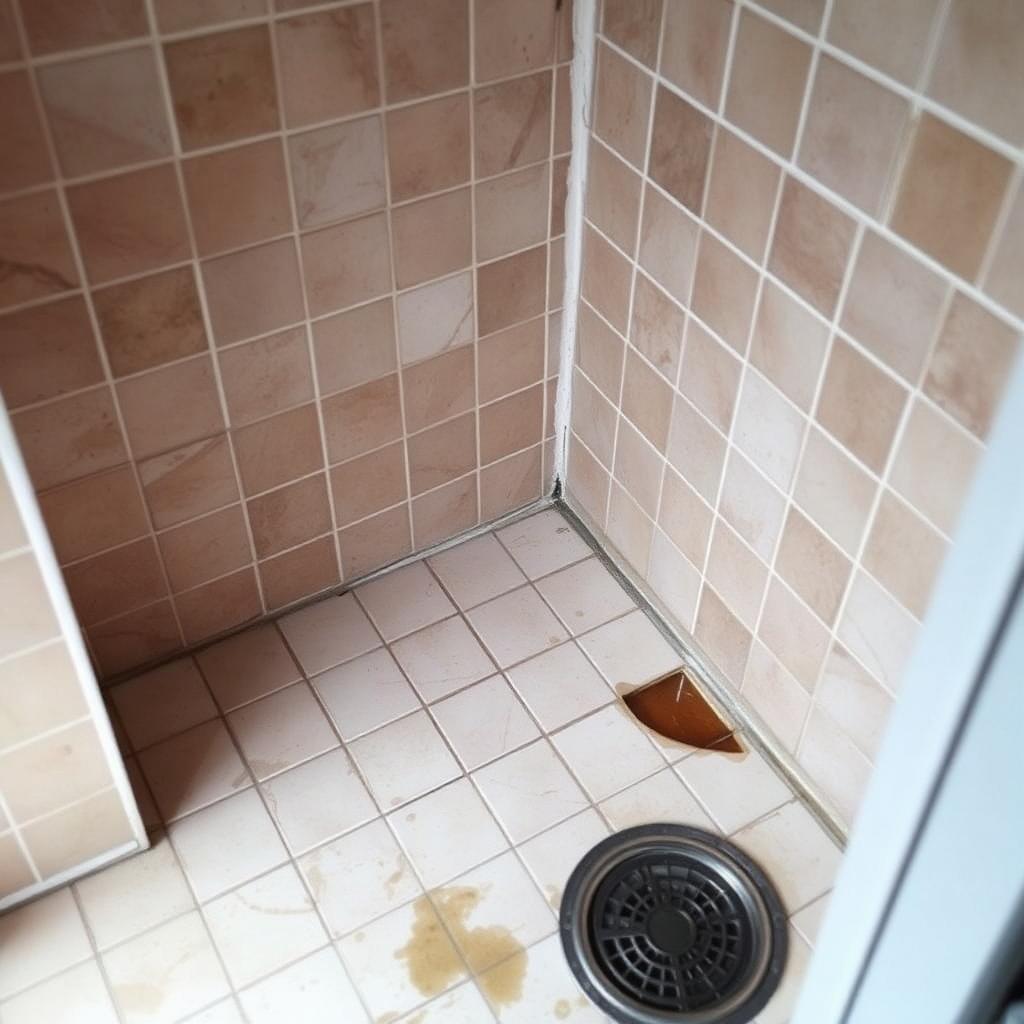
Shower area before waterproofing work, showing existing tiles and floor waste

2. Leaking shower assessment

This applies when a shower or bathroom appears to be leaking and the cause needs to be checked before work is planned. The first question is where the water is actually coming from — the waterproofing, the tiles and grout, or a plumbing fixture.

Common signs to describe

  • A damp patch on a wall or ceiling near or below the bathroom
  • Water pooling outside the shower or tracking along grout lines
  • Movement or hollow-sounding tiles in the shower recess

Information and photos that help

  • When the leak was first noticed and how often it shows
  • Photos of the affected area, ideally including the shower and any stained neighbouring surface
  • Any previous repair attempts or recent bathroom work

What happens next

Tell us where the water appears and when it happens. Photos can help us prepare, but a site visit may be needed to work out whether the source is waterproofing, tiles and grout, or plumbing.

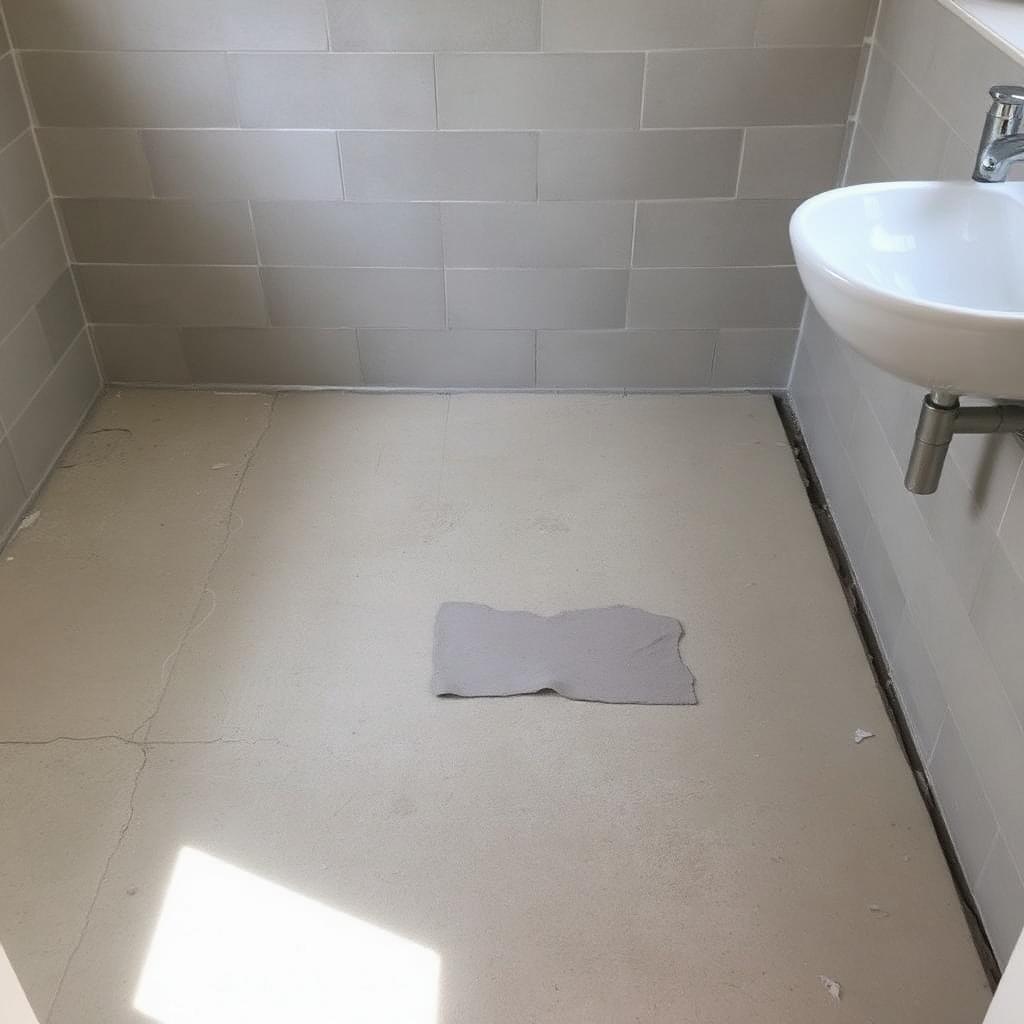
Prepared substrate in a bathroom ready for a new waterproofing membrane

3. Re-waterproofing existing bathrooms

This applies when a bathroom was waterproofed previously but the membrane appears to have failed. Existing tiles and finishes usually have to come up before a new membrane can be laid over a properly prepared substrate.

When re-waterproofing may fit

  • Damp or staining has returned after earlier repair work
  • Tiles or finishes are being removed to expose the substrate
  • The existing membrane or substrate appears damaged once the area is opened

Information and photos that help

  • Rough age of the existing bathroom and any known history of previous waterproofing
  • Photos of the current substrate if tiles are already off
  • Any related work — plumbing, tiling, fixtures — you expect will be involved

What happens next

Tell us what work has already been done and what is now exposed. If re-waterproofing appears suitable, we can arrange a site visit before confirming the scope and any related trades.

Before scope is confirmed

What photos and an on-site assessment can tell us

Can photos confirm that the waterproofing has failed?

Photos can show staining, cracked finishes, exposed substrate or the stage a bathroom has reached. They usually cannot confirm whether water is coming from the membrane, a plumbing fixture, grout, movement or another source. An on-site assessment may be needed before scope is discussed.

What work may need a separate trade?

Depending on what is found, a plumber, tiler or structural specialist may need to inspect or complete part of the work.

When is an on-site visit useful?

A visit is most useful when the leak source is unclear, finishes need to be opened, substrate condition matters, or several trades may be involved. Photos and a short description help the team decide what should be inspected.

Not sure where to start?

Send what you know about the bathroom, when the issue appeared and the stage the room is at now. A few useful photos can provide context, while an on-site assessment may still be needed before the cause or scope can be confirmed.